Schneider Electric Debuts ‘One Digital Grid’ Platform to Enable Utilities’ Modernization
Schneider Electric unveiled its new One Digital Grid Platform on 12 May 2025, positioning European utilities to accelerate the shift from aging grids to network-scale digital control systems. The AI-enabled platform integrates planning, operations, and flexibility into a single ecosystem designed to support scalability, resilience and renewable integration.
Reimagining Grid Intelligence
At the core of One Digital Grid lies a robust digital architecture that integrates planning, operations, and customer engagement within a single framework. The system uses predictive analytics and real-time monitoring to enhance fault detection, optimize grid performance, and enable proactive maintenance. By connecting distributed energy resources (DERs), such as rooftop solar and electric vehicles, the platform supports a more flexible and resilient power network.
- Planning & Asset Management: The platform leverages advanced analytics and digital twin workflows to help utilities optimize investment decisions and extend asset lifecycles.
- Operations & Resilience: Predictive fault detection, automated restoration and real-time monitoring are embedded to reduce outages and operational costs.
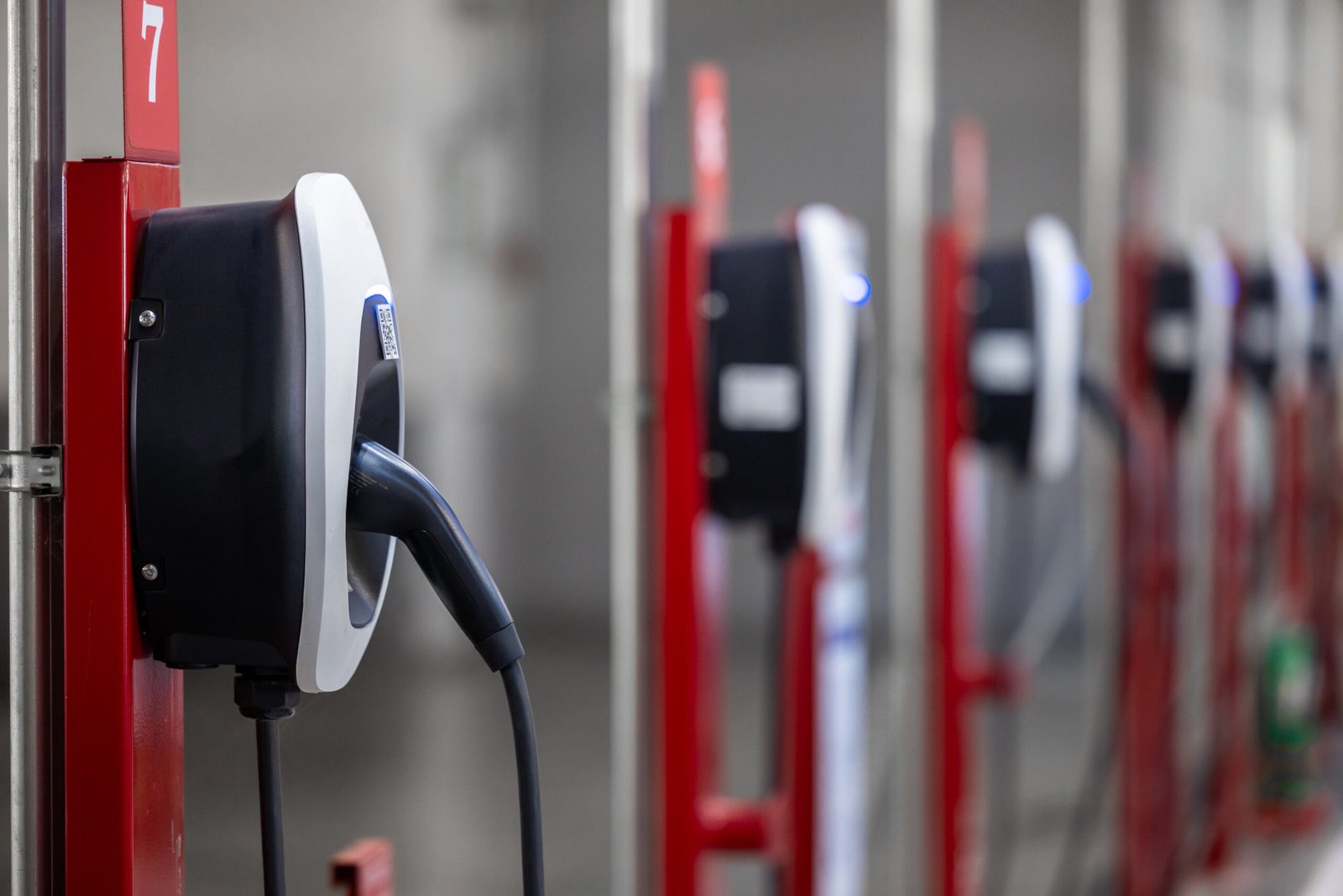
- Flexibility & Customer Engagement: Built for DERs integration, the system supports EV charging, rooftop solar and storage while improving consumer-facing services.
With a hybrid-cloud architecture and open interoperability, One Digital Grid offers a flexible pathway for utilities to modernize without full hardware replacement.
Europe’s Urgent Modernization Push
Utility companies in Europe have a number of challenges, including the fact that almost half of their distribution networks are over 40 years old and would need renovations totaling €584b by 2030. The rapid growth of renewable energy, EV charging, and data center loads is causing transmission operators to struggle with a €250b budget shortage at the same time. The pace renewable deployment is threatened by grid investment deficits in the tens of billions of euros. Three key areas are immediately addressed by the platform: minimizing volatility from variable generation, expediting interconnections, and facilitating grid scale-up without correspondingly raising costs.
Key drivers include:
- A surge in rooftop solar, EVs and storage requiring advanced control systems;
- Regulatory regimes such as the RePowerEU and the updated EU Electricity Market Design are pushing harmonized data exchange and cross-border planning.
- Cost pressure on utilities to deliver higher reliability while respecting tight tariff constraints, particularly in markets with low consumption growth.
Schneider Electric’s system aligns with these trends, offering utilities tools to move from reactive fixes toward proactive and predictive grid management.
Why Europe Needs Digital Grid Solutions
Europe’s grid faces both aging infrastructure and surging demand from electrification. Digitalization through One Digital Grid offers a means to close these investment and performance gaps. By combining software-defined control with real-time visibility, utilities can extend asset lifecycles, minimize unplanned downtime, and improve integration of renewable generation.
Preparing for the Next-Gen Energy System
As Europe targets over 65% renewables in the electricity mix by 2030, the importance of digital grid infrastructure cannot be overstated. The One Digital Grid Platform is positioned to be a core enabler in this transition, offering capabilities that translate sustainability ambitions into operational reality. For utilities that adopt it, the outcome could be a shift from siloed asset management toward unified network orchestration, where outages become rare events and DERs are managed as sources of value rather than disruption.
In short, bridging the digital-physical gap in European networks is no longer optional, it is central to system resilience, flexibility, and cost-effective decarbonization.
Written By:
Michael Sheppard
Editorial Advisor
Inertia Media