Vehicle-to-Grid (V2G) Pilot in Silicon Valley: EV Batteries Becoming Utility Grid Assets
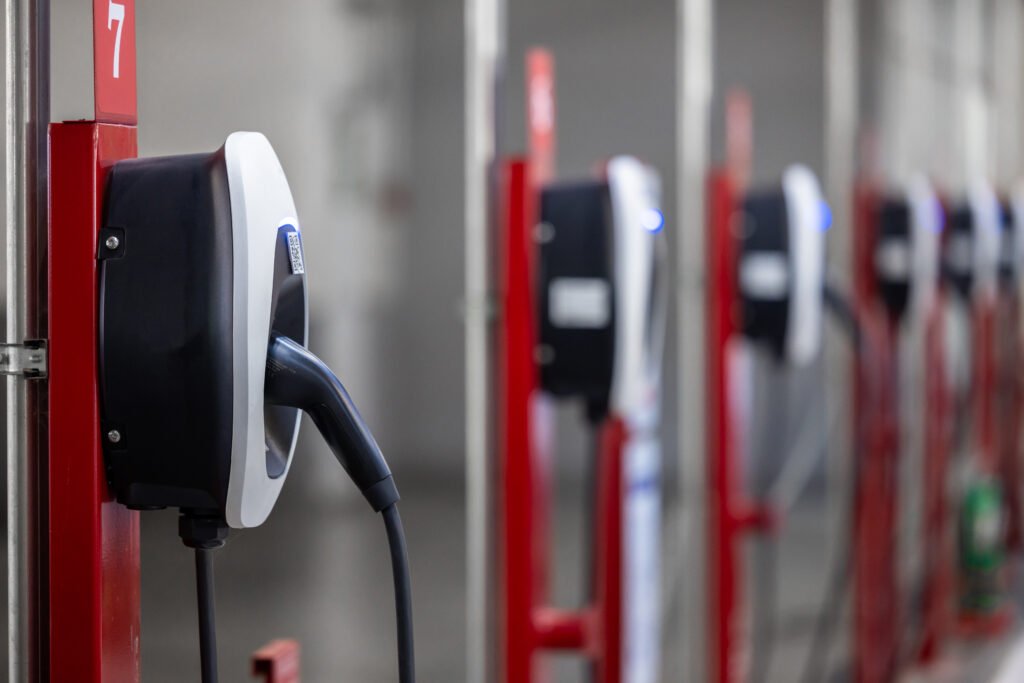
A new wave of innovation is emerging in Silicon Valley as utilities, automakers, and technology firms collaborate on a large-scale Vehicle-to-Grid (V2G) pilot that positions Electric Vehicle (EV) batteries as active assets within the power system.
The initiative reflects a broader North American shift toward Distributed Energy Resources (DERs) and aims to explore how bidirectional charging can enhance grid stability, support peak-load management, and reduce system-wide operational costs.
A Strategic Pivot Toward Grid-Interactive EVs
Regulators increasingly view EVs not only as transportation tools but as mobile, flexible storage units capable of injecting power back into the grid when needed. Early modeling suggests that even modest participation of around 10–15% of local EV owners could provide several hundred megawatt-hours of dispatchable capacity, effectively acting as a virtual power plant.
Operational Lessons and Emerging Lessons
Preliminary results from the pilot reveal both promising benefits and operational obstacles. On the positive side, aggregated EV battery discharge has already demonstrated measurable reductions in peak-hour strain, especially during high-temperature events when air-conditioning loads surge. Utilities also report smoother frequency regulation response compared with traditional demand-response programs due to the fast, digital coordination enabled by smart chargers.
However, challenges remain. The interoperability of charging hardware and software remains limited, especially across different automakers. Some participants have also raised concerns about potential long-term impacts on battery degradation, even though early technical assessments suggest that controlled cycling produces minimal additional wear.
Another study concluded that the uncertainty of battery warranty coverage remains “a major concern” in the U.S., given limited real‐world data on high-volume V2G usage.
Another constraint is customer participation. While the pilot offers financial incentives, enrollment numbers remain below expectations, reflecting consumer hesitation regarding the concept of sharing personal vehicle batteries with the grid. Policymakers are now analyzing whether a standardized compensation model, similar to rooftop solar net-metering, could improve adoption.
Regulatory Momentum and Market Implications
Following preliminary success, several California agencies including the California Energy Commission (CEC) and Public Utilities Commission (CPUC) are evaluating rule changes to formalize V2G integration. These include updated interconnection standards, tariff structures for bidirectional charging, and cybersecurity guidelines to safeguard grid-connected vehicles.
If scaled statewide, analysts estimate that California will reach 12.5 million electric vehicle registrations by 2035. This would reduce reliance on stationary storage procurement and accelerate retirement plans for aging natural-gas peaker units.
A Blueprint for North America
The Silicon Valley pilot is increasingly seen as a foundational test case for North America. Several utilities (PG&E, Con Edison, Nova Scotia Power, Hydro One) across the United States and Canada are monitoring the results closely as they explore their own grid-interactive transportation strategies. The project suggests that V2G could become a cornerstone of future grid planning, providing fast, decentralized flexibility at a scale unmatched by other DER technologies.
For policymakers and utilities, the central question now is not whether V2G technology works, but how quickly regulatory frameworks and consumer incentives can adapt to support widespread adoption.